
The feet are the foundation of the body. They absorb force, adapt to the ground, provide balance and help propel the body forward. When foot strength, mobility or control is poor, movement further up the chain may be affected, including the ankles, knees, hips and lower back. This does not mean every problem starts at the feet, but foot mechanics deserve attention.
Each foot contains many bones, joints, muscles, tendons and ligaments. The arch is not a fixed structure; it is dynamic. It should be able to lower slightly to absorb force and rise to help push off. Problems can occur when the foot is too rigid, too uncontrolled or lacks strength for the demands placed on it.
Many often think flat feet or high arches automatically mean injury. This is too simplistic. Many people with flat feet move well and have no pain. People with high arches also often function well. What matters is capacity, control, comfort and whether the foot can tolerate the person’s activities.
Foot strength can decline when the feet are always supported and rarely challenged. Shoes are useful and often necessary, but constantly wearing very supportive footwear may reduce the work done by the small foot muscles. Safe barefoot time at home, balance drills and foot strengthening exercises can help some clients build awareness and control.
One simple exercise is the short-foot drill. The client gently draws the ball of the foot towards the heel without curling the toes, creating a slight lift in the arch. This can be difficult at first, but it teaches intrinsic foot muscle control. Toe spreading, towel scrunches, calf raises and single-leg balance can also help.
The calf muscles and ankle mobility are closely linked to foot mechanics. Limited ankle dorsiflexion may affect squatting, running and walking. Calf tightness or weakness can change how force is absorbed. Calf raises, soleus strengthening with bent-knee calf raises and ankle mobility drills may improve function.
Footwear matters, but there is no perfect shoe for everyone. A good shoe should suit the person’s foot, activity, comfort and training history. Sudden changes, such as switching from highly cushioned shoes to minimalist shoes, can overload tissues if done too quickly. Any footwear change should be gradual.
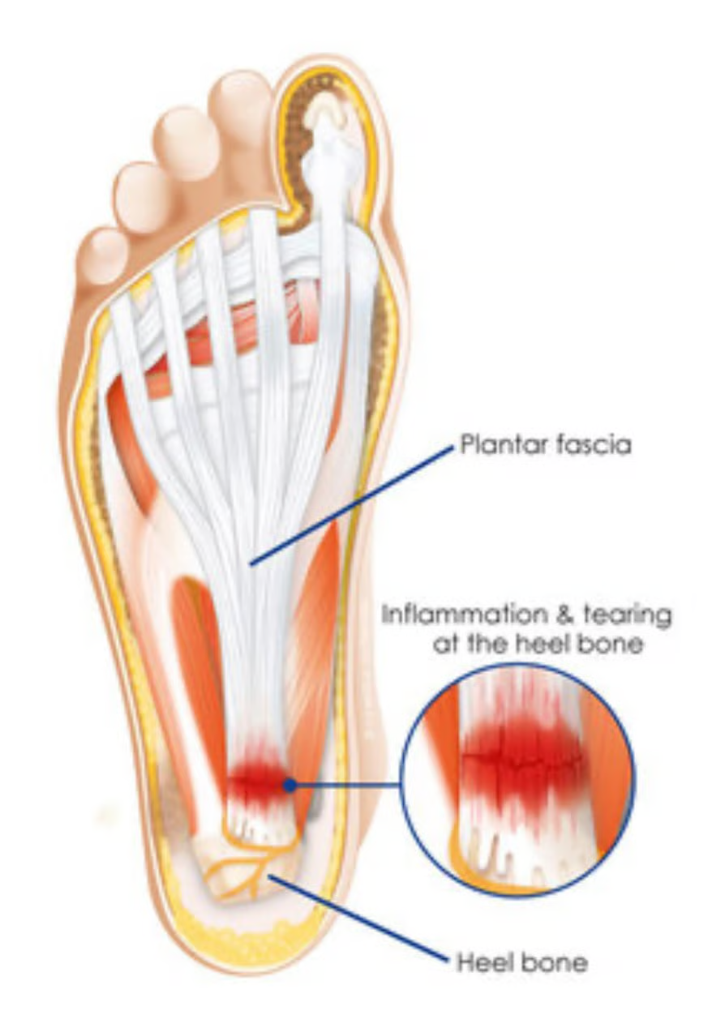
Those with foot pain should not ignore it. Plantar heel pain, Achilles pain, numbness, swelling, sudden arch collapse or pain after trauma should be assessed. People with diabetes, neuropathy, circulation problems or cancer treatment-related neuropathy need extra care and should seek professional advice about foot health and footwear.
For general clients, the goal is to make the feet stronger and more responsive. Better foot control can improve balance, confidence and movement quality. This is especially valuable as people age, because balance and lower-limb strength help reduce fall risk.
Foot training does not need to be complicated. A few minutes of daily practice can improve awareness. The feet have been carrying the body for a lifetime; they deserve training, not just shoes.
5-Step Action Plan
- Practise balance: Stand on one leg near support for 20–30 seconds each side.
- Train foot control: Try short-foot drills or toe spreading for 2 minutes daily.
- Strengthen calves: Perform straight-knee and bent-knee calf raises twice weekly.
- Review footwear: Choose shoes that are comfortable and suitable for your activity.
- Progress gradually: Introduce barefoot work or new shoes slowly to avoid overload.
Stay awesome and have a great weekend!
Vanessa x
P.S. Click here to hear what our awesome community have to say about our 21-day cleanse!
 |
     |